
How Mushroom Genetics Work: Why Psilocybin Mushroom Strains Differ in Potency and Appearance
Psilocybin mushrooms have fascinated scientists, cultivators, and researchers for decades.

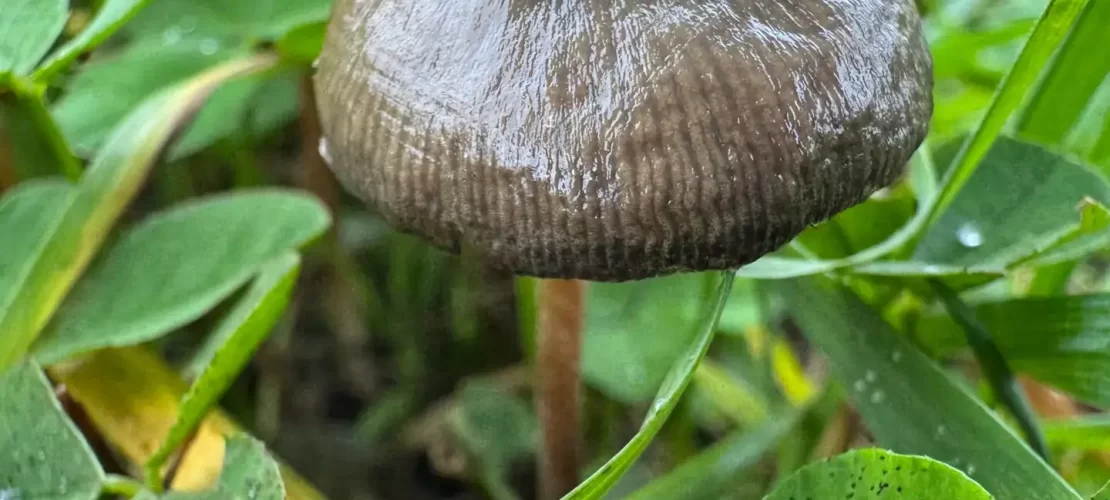
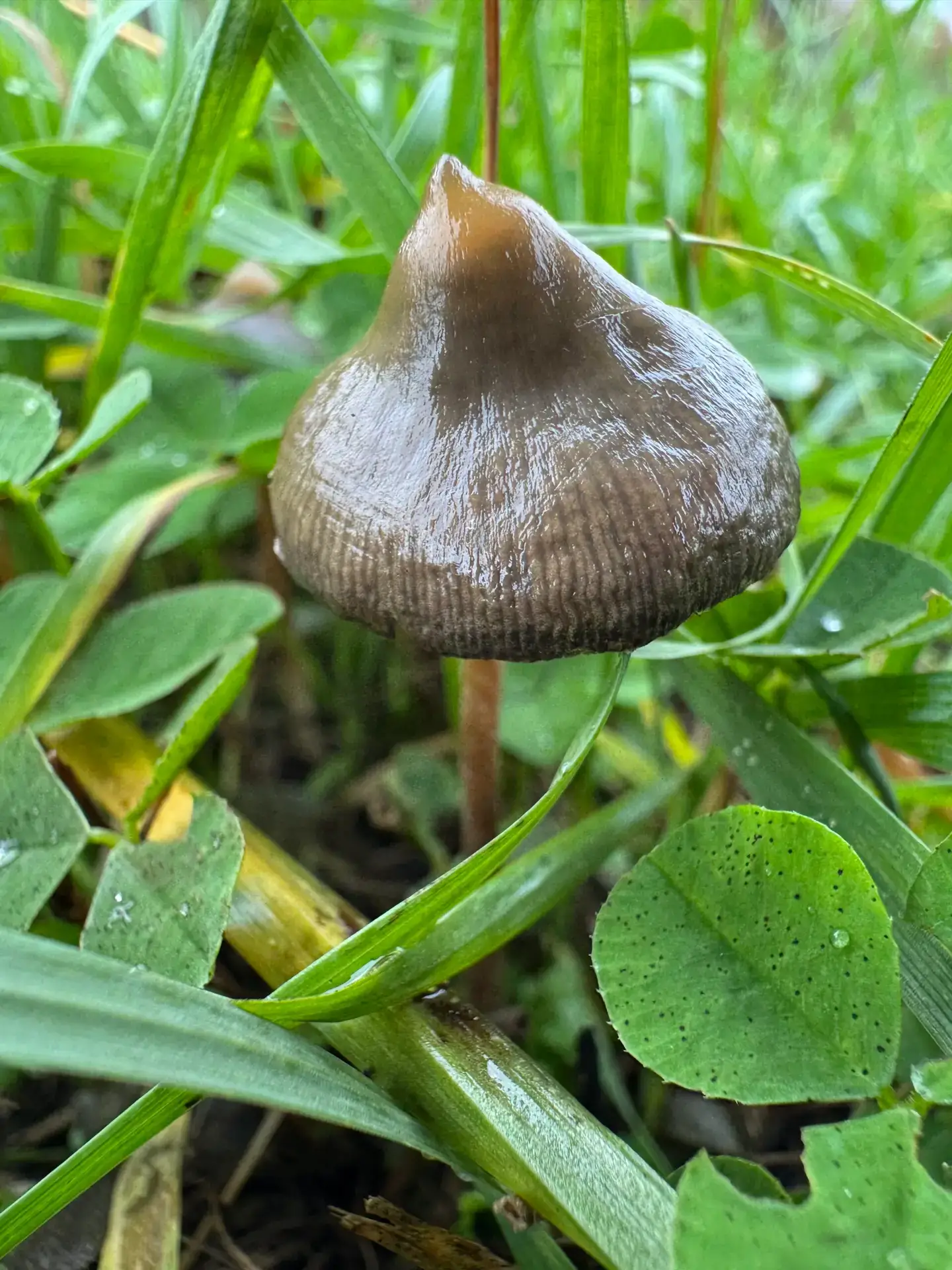
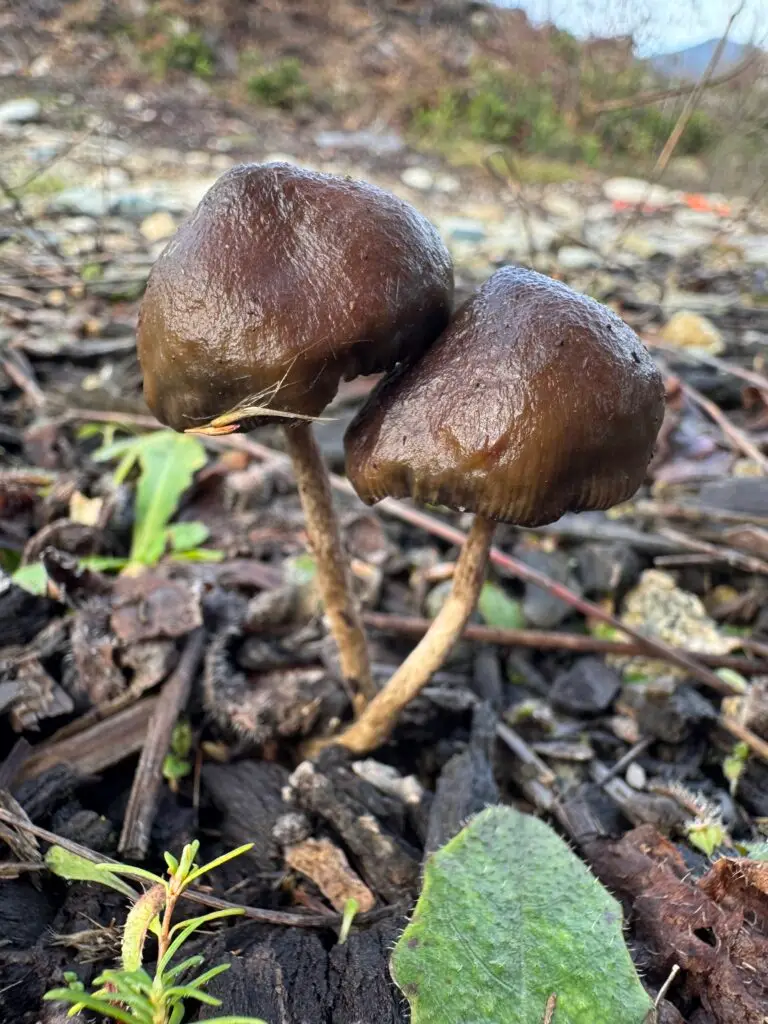
Among all species in the Psilocybe genus, Psilocybe semilanceata, commonly known as the liberty cap, is one of the most extensively documented and studied mushrooms in mycological history. Its unmistakable shape, broad geographic distribution, and frequent appearance in scientific literature have made it a cornerstone species for researchers, educators, and taxonomy enthusiasts.
This article explores Psilocybe semilanceata from a strictly mycological and educational perspective, with particular attention to taxonomy, historical research, ecology, and microscopic characteristics. It is written to complement a WooCommerce product offering mushroom spores for microscopy, not mushrooms themselves, and contains no cultivation or usage instructions.
Purchase Liberty Cap spores here
Psilocybe semilanceata is a gilled mushroom species classified within the family Hymenogastraceae. The species was formally described in the early 19th century and has since become one of the most cited members of the Psilocybe genus in academic literature.
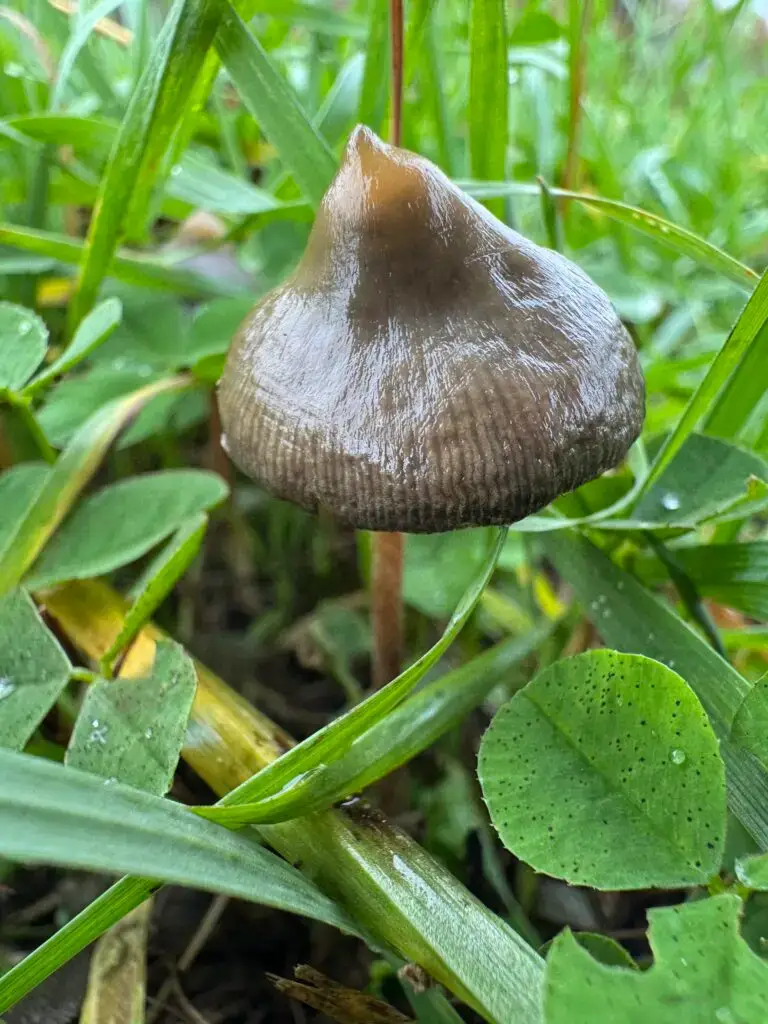
The common name “liberty cap” is derived from the mushroom’s distinctive cap shape, which resembles the Phrygian cap—a historical symbol of liberty. While common names vary by region, the scientific name Psilocybe semilanceata provides a consistent reference point across research institutions and publications.
Authoritative taxonomic references include:
These resources are widely used by mycologists to confirm classification and naming accuracy.
The placement of Psilocybe semilanceata within Hymenogastraceae reflects modern advances in molecular phylogenetics. Historically, fungal taxonomy relied heavily on macroscopic traits, but DNA-based studies have helped refine relationships within Psilocybe and related genera.
For students and microscopy hobbyists, taxonomy is essential because it:
When working with mushroom spores, having a clear taxonomic identity ensures that observations are meaningful and reproducible.
The liberty cap is one of the few mushrooms whose common name is widely recognized across multiple countries. However, common names can be misleading, reused, or applied inconsistently—making scientific nomenclature especially important in academic and commercial contexts.
In mycology-focused education and e-commerce, using the correct scientific name alongside the common name helps:
For microscopy specimens, labeling accuracy is just as important as spore quality.
Ecologically, Psilocybe semilanceata is classified as saprotrophic, meaning it derives nutrients from decomposing organic matter. Unlike many wood-associated fungi, this species is most often linked to grassland environments, including pastures and meadows with nutrient-rich soils.
Global distribution records compiled by the Global Biodiversity Information Facility (GBIF) illustrate the species’ broad presence across temperate regions:
These aggregated datasets draw from herbarium specimens, academic research, and verified observations, making them valuable tools for ecological and biogeographical study.
This blog is not intended as a field guide or collection manual. Habitat information is presented for educational and scientific context only.
While the macroscopic appearance of Psilocybe semilanceata is well known, much of its scientific study relies on microscopy, particularly the examination of spores.
Within the Psilocybe genus, spores are typically characterized by:
Psilocybe semilanceata mushroom spores are frequently used in:
Because spores allow researchers to study fungal characteristics without relying on whole specimens, they play a central role in legitimate mycological research and instruction.
Psilocybe semilanceata has been cited in scientific literature for well over a century. Early European studies helped establish baseline descriptions, while later research expanded into chemical, ecological, and genetic investigations across the Psilocybe genus.
Academic repositories such as PubMed (https://pubmed.ncbi.nlm.nih.gov) contain peer-reviewed papers that reference Psilocybe semilanceata in broader discussions of fungal chemistry and taxonomy. These studies contributed to foundational knowledge in mycology and continue to be referenced in modern research.
For educational blogs and research-oriented stores, acknowledging this scientific history adds depth and credibility without venturing into inappropriate instruction.
In both academic and hobbyist settings, mushroom spores are among the most practical materials for fungal study. Compared to whole specimens, spores:
This is why many students, educators, and enthusiasts seek Psilocybe semilanceata spores specifically for microscopy. They offer a hands-on way to engage with fungal science while remaining firmly within an educational framework.
This article is provided for educational and informational purposes only. Laws and regulations concerning fungi and related materials vary by jurisdiction, and readers are responsible for understanding and complying with applicable regulations.
Products offered by microscopy-focused vendors like The Spore Depot are intended for research, taxonomy, and educational study only. This blog does not provide cultivation guidance or usage instructions of any kind.
Psilocybe semilanceata stands as one of the most historically and scientifically significant species in the Psilocybe genus. Its extensive documentation, clear taxonomic identity, and well-defined microscopic traits make it a valuable subject for mycological study.
For those interested in fungal science, examining Psilocybe semilanceata mushroom spores offers a legitimate, educational way to explore this iconic species through microscopy and research. When supported by accurate information and responsible product offerings, curiosity can lead to deeper understanding—one slide at a time.
Psilocybin mushrooms have fascinated scientists, cultivators, and researchers for decades.
Among all species in the Psilocybe genus, Psilocybe semilanceata, commonly
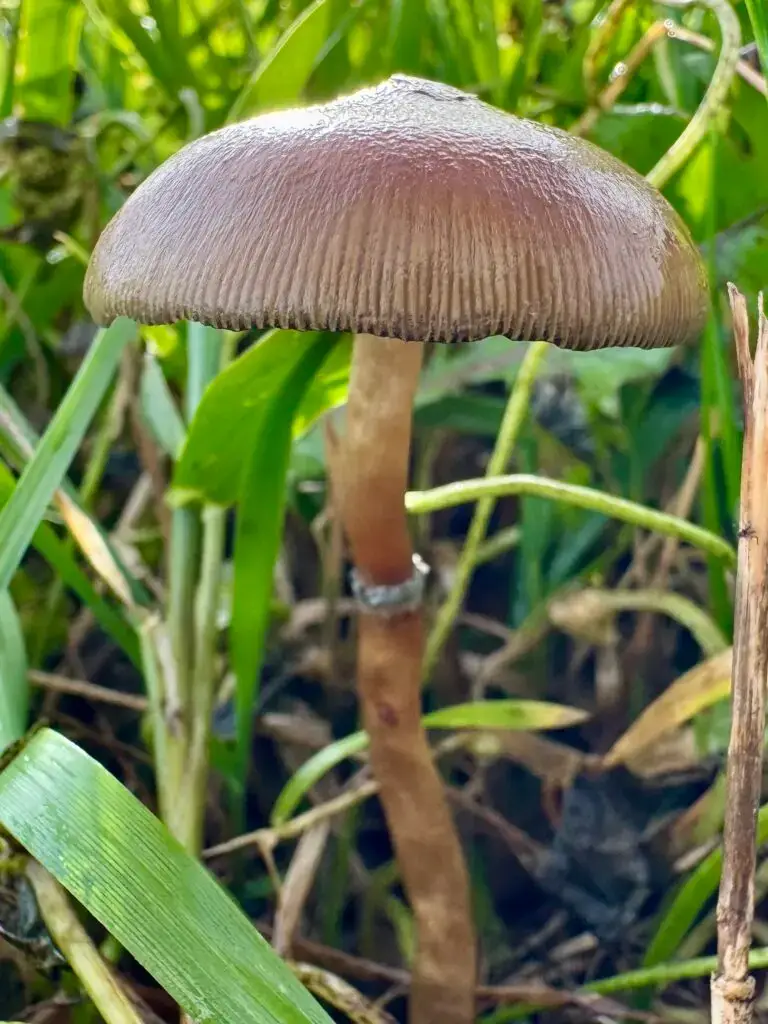
Among the many species studied within the Psilocybe genus, Psilocybe
If you’re into mushroom microscopy, taxonomy, or the broader story