How Mushroom Genetics Work: Why Psilocybin Mushroom Strains Differ in Potency and Appearance
Psilocybin mushrooms have fascinated scientists, cultivators, and researchers for decades.

Psilocybin mushrooms have fascinated scientists, cultivators, and researchers for decades. With growing interest in psychedelic therapy and mycology, a deeper understanding of mushroom genetics, strain variability, and cultivation methods has become increasingly important.
For cultivators and microscopy enthusiasts, understanding the genetic foundations of mushrooms can explain why some strains grow differently, why potency varies, and why cultivation methods like spore syringes and liquid culture behave so differently.
In this article, we explore:
By the end, you’ll have a clear understanding of the biological mechanisms behind psilocybin mushroom diversity.
Mushrooms are the reproductive structures of fungi, which exist primarily as underground or substrate-based networks called mycelium. This mycelial network is composed of microscopic filaments known as hyphae.
Each mushroom species carries its genetic information in DNA within the nuclei of its cells. Unlike plants and animals, however, fungi have a unique genetic system that allows multiple nuclei to coexist within a single cell.
When spores germinate, they form monokaryotic mycelium, meaning each cell contains one nucleus. When two compatible mycelial networks meet, they fuse in a process called plasmogamy, creating dikaryotic mycelium with two nuclei per cell. This dikaryotic state is what eventually produces mushrooms.
Because of this reproductive system, mushrooms exhibit extremely high genetic variability.
This is one reason why growing mushrooms from spores can produce many different phenotypes even within the same strain.
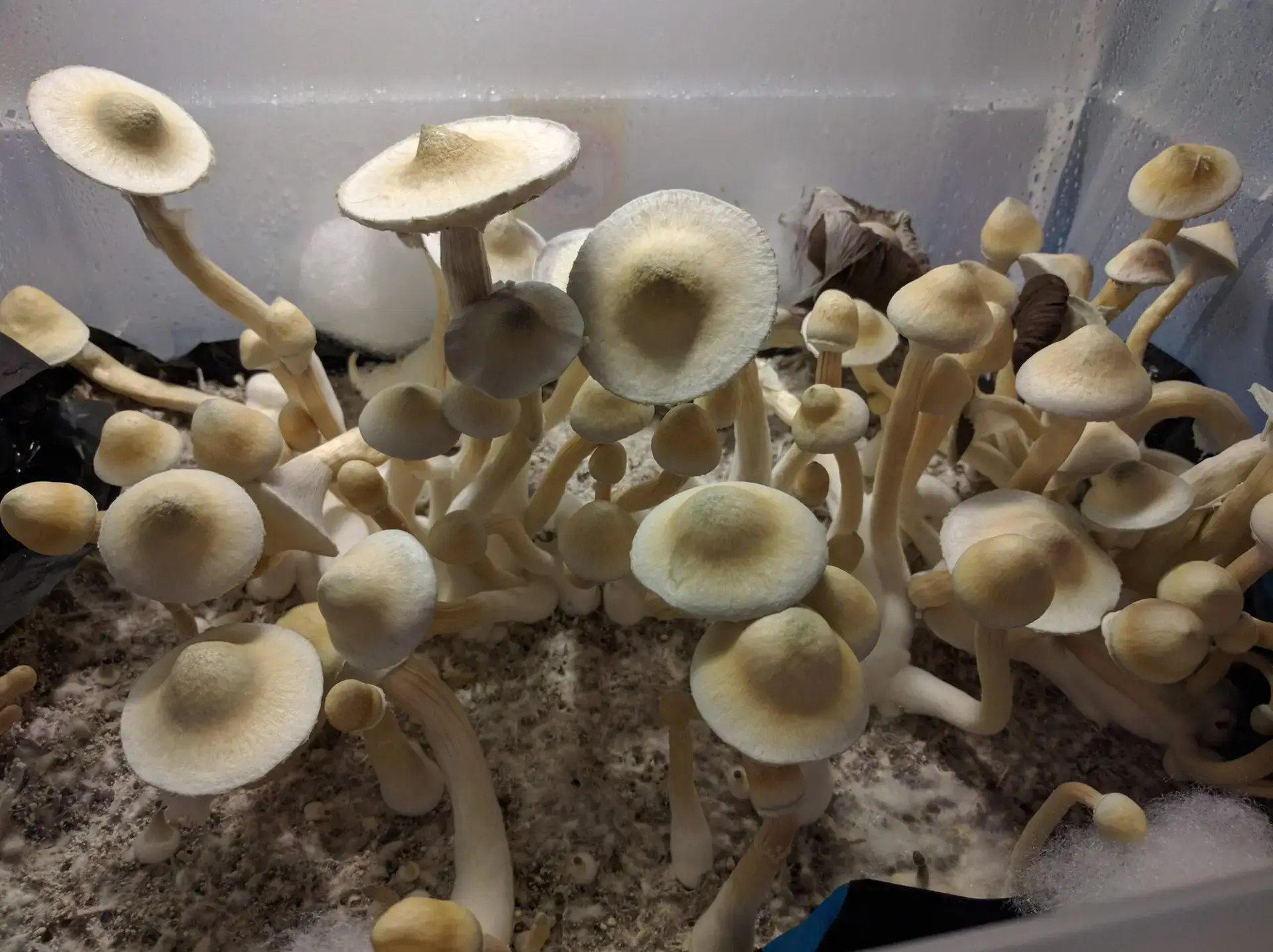
One of the most important genetic discoveries in psychedelic mycology was the identification of the psilocybin biosynthesis gene cluster.
Scientists discovered that the production of psilocybin depends on a small group of genes that encode enzymes responsible for converting tryptophan into psilocybin. These include:
These genes form a tightly linked cluster within the mushroom genome that drives psilocybin production.
Research has shown that these genes occupy a genomic region roughly 11–22 kilobases long in psilocybin-producing fungi.
This discovery helped scientists understand how mushrooms produce psychedelic compounds and opened the door to new biotechnology research.
For example, scientists have successfully transferred these genes into bacteria like E. coli to produce psilocybin in laboratory conditions.
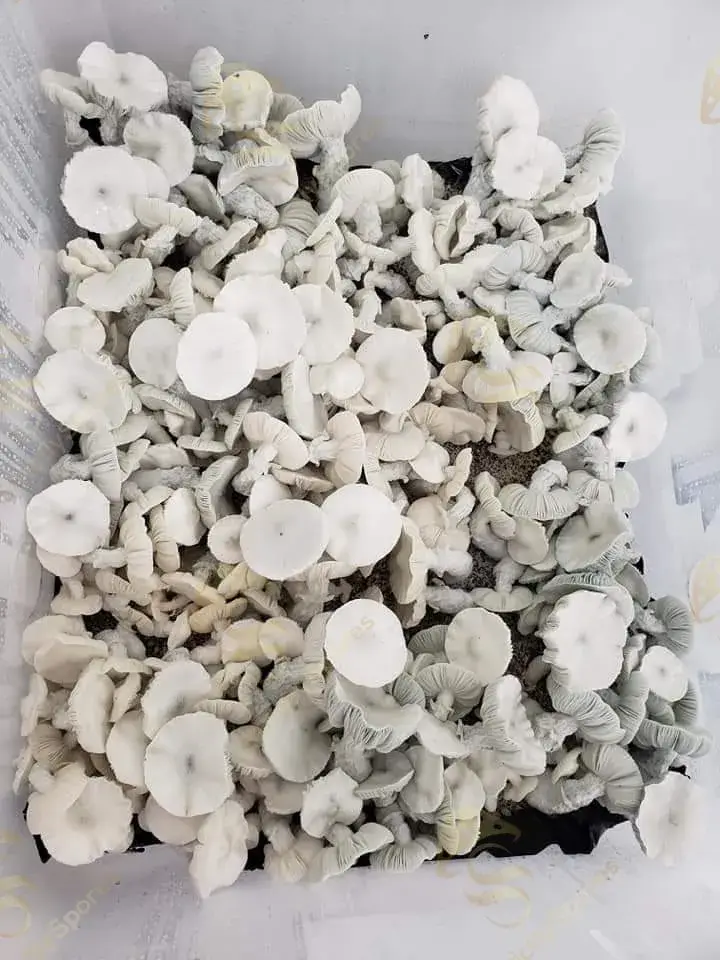
Another surprising discovery is that the psilocybin gene cluster may have spread between different fungal species through horizontal gene transfer.
Unlike normal inheritance, horizontal transfer allows genes to move between unrelated organisms.
Researchers analyzing psychedelic mushroom genomes found evidence that the psilocybin gene cluster may have been transferred between species that share ecological niches such as dung or decaying wood.
This may explain why psilocybin appears across several mushroom genera, including:
One of the most common questions among cultivators is why different mushroom strains produce different effects, potency levels, or physical traits.
The answer lies in a combination of How Mushroom genetics work, environment, and cultivation methods.
Because mushrooms reproduce through spores, each spore contains a unique genetic combination.
When spores germinate, they form thousands of different genetic pairings during mycelial fusion. This results in enormous diversity within a single strain.
Even if spores come from the same mushroom print, the resulting cultures may display differences in:
This is why many cultivators isolate individual strains through agar work and cloning.
Psilocybin mushrooms contain several psychoactive compounds including:
Scientific studies have shown measurable variation in these compounds across strains and even across individual flushes of the same culture.
For example:
Research also confirms that potency differences exist between strains but are influenced by environmental factors such as substrate composition and growing conditions.
Even genetically identical mushrooms can show different potency depending on environmental conditions.
Important factors include:
Modern analytical methods such as liquid chromatography and mass spectrometry are now used to measure psilocybin levels accurately in cultivated mushrooms.
This has helped researchers better understand how environmental variables influence alkaloid production.
Many famous mushroom strains differ primarily in appearance rather than genetics.
Common differences include:
Interestingly, some studies suggest that many named strains of Psilocybe cubensis may actually be genetically similar or even identical, despite being marketed differently.
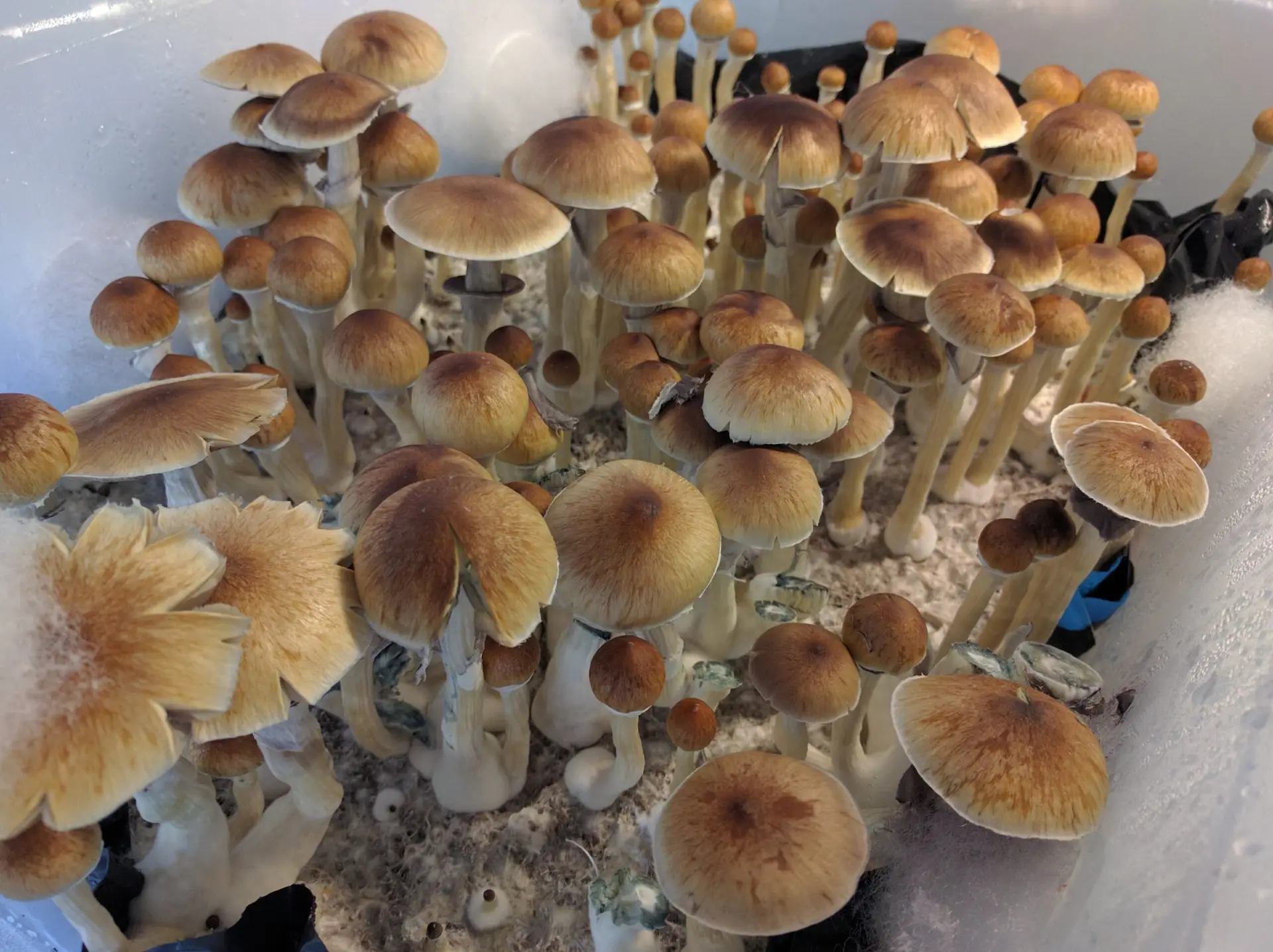
This is similar to what occurs in agriculture, where phenotypes can differ despite similar genetic backgrounds.
One of the most important concepts for cultivators to understand is the difference between spore-based genetics and liquid culture genetics.
This distinction explains why cultivation results can vary dramatically depending on the inoculation method.
Spores are the reproductive cells of mushrooms.
When a spore syringe or spore print is used to inoculate a substrate, thousands of spores germinate and combine randomly.
Because each pairing produces unique genetics, growing from spores creates a genetic lottery.
This results in:
For microscopy enthusiasts and researchers, spores are useful because they represent the natural genetic diversity of the species.
Liquid culture contains living mycelium rather than spores.
When a liquid culture is created from a specific mycelial isolate, all subsequent cultures share identical genetics.
This produces:
For this reason, commercial mushroom farms and experienced cultivators often rely on liquid culture or cloned tissue rather than spores.
Liquid culture essentially allows growers to preserve and propagate a specific genetic lineage.
To stabilize desirable genetics, cultivators often perform agar isolation techniques.
The process works like this:
This process allows cultivators to identify and preserve desirable traits such as:
Over time, repeated selection can produce stable strains.
Recent advances in genomic sequencing and biotechnology are transforming psychedelic mushroom research.
Scientists are now studying the full genomes of psilocybin mushrooms to better understand:
Large metabolomic studies examining dozens of psilocybin-producing fungi have already revealed significant biochemical diversity between species and strains.
As research continues, scientists may eventually be able to:
This could dramatically reshape the future of both mycology and psychedelic medicine.
Many cultivators and microscopy enthusiasts have questions about mushroom genetics, psilocybin strains, and cultivation techniques. Below are answers to some of the most common questions about mushroom spores, liquid culture, and genetic variation.
Mushroom genetics work through spores that germinate into mycelium. Compatible mycelial networks can fuse and form dikaryotic mycelium, which later produces mushrooms. Because spores carry unique genetic combinations, mushroom cultivation from spores can produce a wide variety of traits.
Psilocybin mushroom strains differ in potency because of genetic variation, alkaloid biosynthesis, environmental conditions, substrate composition, and cultivation variables. Even mushrooms grown from the same spore print can show noticeable differences in psilocybin and psilocin content.
Spore genetics are highly variable because spores combine randomly and create many possible genetic outcomes. Liquid culture genetics are more consistent when the culture is made from a selected mycelial isolate, allowing cultivators to preserve stable traits and achieve more predictable growth.
Cultivators often use liquid culture instead of spores because liquid culture can provide faster colonization, more uniform growth, and more reliable genetic consistency when it comes from a proven mycelial isolate.
Yes, mushroom potency can vary between flushes. Differences in nutrient availability, environmental stress, moisture, and genetics can affect alkaloid production across multiple harvests.
Mushroom genetics are incredibly complex, but understanding the basics can help explain many of the mysteries surrounding psychedelic mushrooms.
Key takeaways include:
As scientific research accelerates, the next decade will likely bring major discoveries about fungal genetics, metabolism, and cultivation.
For cultivators, researchers, and enthusiasts alike, the why of How Mushroom Genetics Work is only beginning to reveal its secrets.
Scientific literature referenced in this article includes:
Psilocybin mushrooms have fascinated scientists, cultivators, and researchers for decades.
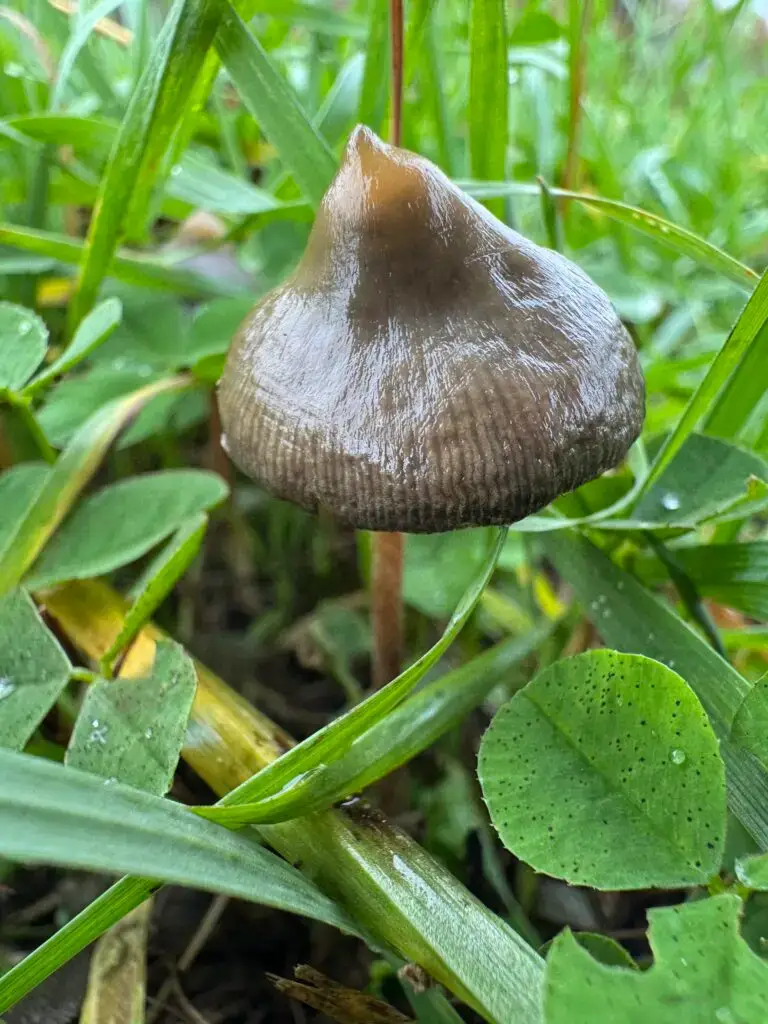
Among all species in the Psilocybe genus, Psilocybe semilanceata, commonly
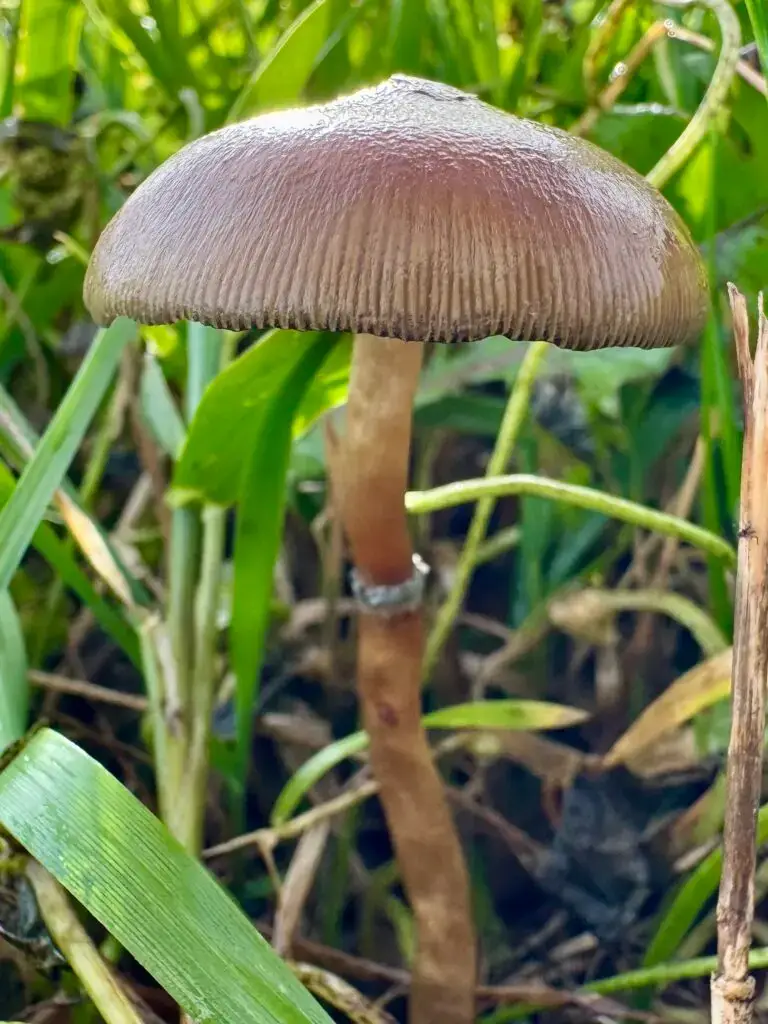
Among the many species studied within the Psilocybe genus, Psilocybe
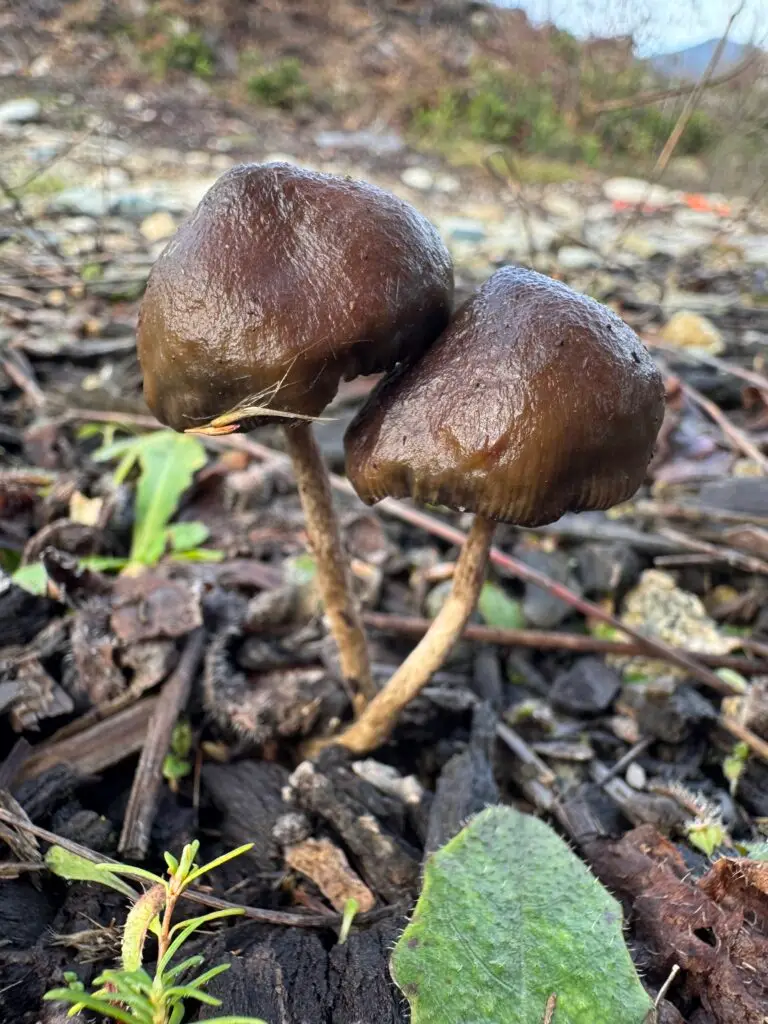
If you’re into mushroom microscopy, taxonomy, or the broader story