How Mushroom Genetics Work: Why Psilocybin Mushroom Strains Differ in Potency and Appearance
Psilocybin mushrooms have fascinated scientists, cultivators, and researchers for decades.

In recent years, microdosing — the practice of taking sub-hallucinogenic (very low) doses of psychedelic substances like psilocybin — has moved from counterculture curiosity to mainstream intrigue. As research expands and laws shift, today’s headlines reveal both promise and risk. In this post, we’ll explore:
Let’s dive in.

One of the more surprising recent findings: psilocybin may delay aging and extend lifespan — at least in preclinical models. A 2025 study published in Nature Aging (Kato et al.) showed that psilocin (the active metabolite of psilocybin) extended cellular lifespan in aged mice, suggesting geroprotective potential. Nature
This aligns with another report from Emory University suggesting psilocybin’s broader health effects beyond mental health. But note: mice → humans is a big leap.
Another notable 2025 study (reported in The Marijuana Herald) observed that microdoses of psilocybin reduced markers of neuroinflammation in rodents and produced behavioral benefits. The Marijuana Herald
These findings are compelling because chronic inflammation is a known contributor to conditions like depression, Alzheimer’s, and aging itself.
These developments indicate that the scientific community is pushing past microdosing into full-dose medical applications — but microdosing still serves as a low-barrier entry point for many. Microdosing Magic Mushrooms & Psilocybin:
New molecules are being engineered, too. MYCO-005, an analog of psilocin, is in development as a microdose-friendly psychedelic that omits binding to the 5-HT₂B receptor (a receptor associated with heart valve risk). Wikipedia
The hope: provide microdosing benefits with fewer long-term risks.
In mid-2024, the FDA issued an alarming consumer warning about Diamond Shruumz microdosing chocolate bars/gummies/cones, citing hospitalizations, seizures, and abnormal heart rates. EatingWell+2New York Post+2
Some users were hospitalized after consuming these products. The recall and warnings highlight serious safety issues around unregulated microdose edibles.
A recent PBS NewsHour feature noted a trend: as microdosing gains popularity, calls to poison control centers and ER visits have increased. PBS
In other words, more people experimenting leads to more adverse outcomes — especially when dosing, purity, or set/setting are unregulated.
In places where psilocybin therapy isn’t legal, people are traveling for it. For example, Seattle-area residents are journeying overseas (e.g. Jamaica) to access psilocybin retreats. Axios
This signals both strong demand and gaps in local access. Microdosing Magic Mushrooms & Psilocybin:
In the U.K., the Royal College of Psychiatrists recently called for controlled access to psychedelic treatments, under strict “compassionate use” protocols. Financial Times
Though not microdosing-specific, it reflects rising institutional openness.
Also, one headline to watch: a UCSD clinical trial suggests psilocybin may help with phantom limb pain — an area far outside traditional psychiatric use. Axios
These are big steps: they allow regulated contexts where microdosing (or guided dosing) might be legal under supervision. Microdosing Magic Mushrooms & Psilocybin:
Psilocybin remains a Schedule I substance under U.S. federal law — meaning it’s considered to have no accepted medical use and high abuse potential (for now). Wikipedia
This dichotomy (federal prohibition + state reform) creates friction for researchers, clinicians, and users. Many microdosing practitioners operate in legal gray zones — experimenting with personal doses or underground communities.
There’s considerable debate:
So: the evidence remains mixed, and larger, better-designed trials are needed. Microdosing Magic Mushrooms & Psilocybin:
Some researchers question whether microdosing distracts from more effective psychiatric treatments. For people with moderate-to-severe depression or PTSD, microdosing may not suffice. Clinical (full-dose) psychedelic therapy may offer more robust outcomes, though it comes with more risk and regulatory constraints.
We expect more randomized, placebo-controlled microdosing trials in the coming years, particularly for anxiety, depression, cognitive decline, and stress resilience. Better designs and biomarkers will clarify whether microdosing has a true effect beyond placebo.
One emerging model: combining microdosing with occasional full-dose “breakthrough” sessions to catalyze neuroplastic shifts. This tiered approach might offer both safety and potency.
States like Oregon, Colorado, and New Mexico will act as laboratories for regulated psychedelic services. Their frameworks (training, dosage limits, safety protocols) will influence federal policy.
Novel compounds like MYCO-005 may reduce risk by removing receptor binding associated with side effects. Watch for biotech firms entering the microdosing space with engineered molecules.
As practices expand, integration services (therapy, coaching, peer support) will become more essential. Microdosing isn’t just a dose — the psychological context matters.
Expect regulatory scrutiny, especially around unlicensed microdose products, adulterated edibles, and consumer safety warnings. Public health agencies may begin to issue guidelines.
Microdosing psilocybin holds tantalizing potential — for mood support, creativity, neuroplasticity, and beyond. But the current moment is one of experiment, hype, and uncertainty.
The latest news reveals promising animal and human trials, strong demand, institutional openness, but also real safety concerns (especially from unregulated microdose products).
If you’re exploring or communicating about microdosing, here are a few keys:
When the science and policy mature, microdosing may find a rightful place in wellness and therapy. Until then, it remains a frontier — thrilling, controversial, and fragile.
Royal College of Psychiatrists calls for wider access to psychedelic treatments
Seattle residents look abroad for psilocybin healing
UCSD study suggests psilocybin could treat phantom limb pain
Experts warn of mental health risks after rise in magic mushroom use
There’s an Active Investigation on Microdosing Edibles after Multiple Hospitalizations
New psilocybin study targets anhedonia in depression
How magic mushrooms could help Parkinson’s disease patients (UCSF)
Google searches reveal growing interest in microdosing
Q: Does microdosing psilocybin actually work?
A: Evidence is mixed. Some controlled studies suggest placebo-like effects, but anecdotal reports and community surveys describe improvements in mood, creativity, and focus.
Q: Is microdosing legal in the U.S.?
A: Federally, no. Psilocybin remains Schedule I. But states like Oregon, Colorado, and New Mexico are pioneering therapeutic access and decriminalization.
Q: Is microdosing safe?
A: Risks exist — unregulated products, unknown dosages, potential heart and psychological risks. Clinical trials are ongoing to assess long-term safety.
Psilocybin mushrooms have fascinated scientists, cultivators, and researchers for decades.
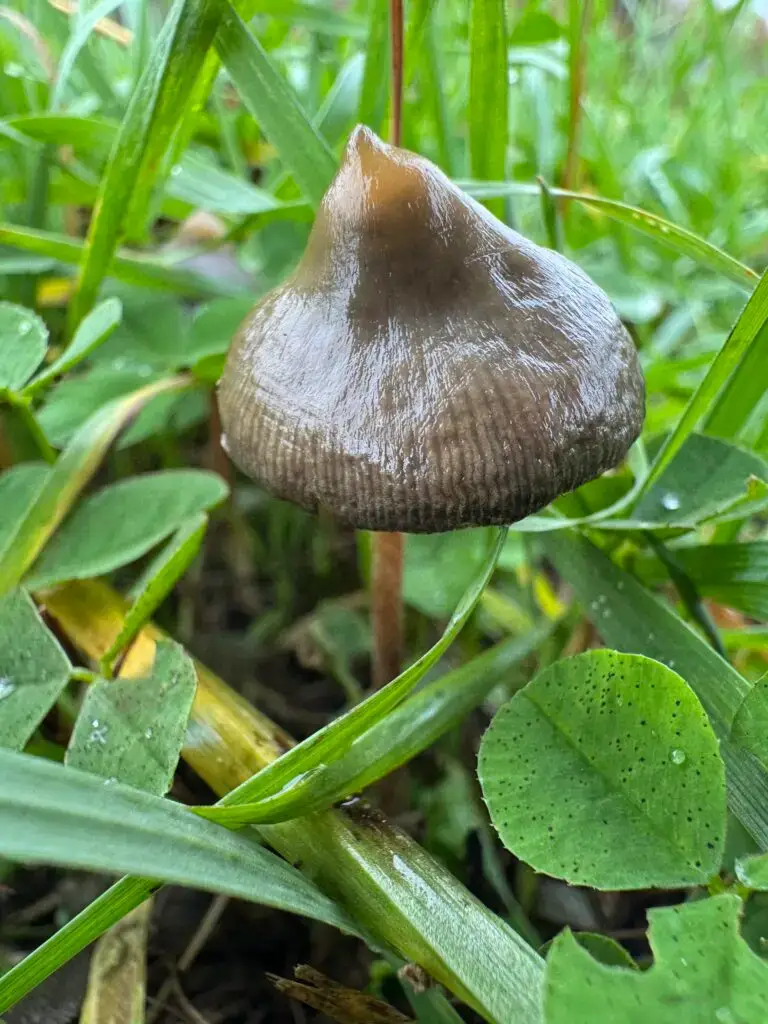
Among all species in the Psilocybe genus, Psilocybe semilanceata, commonly
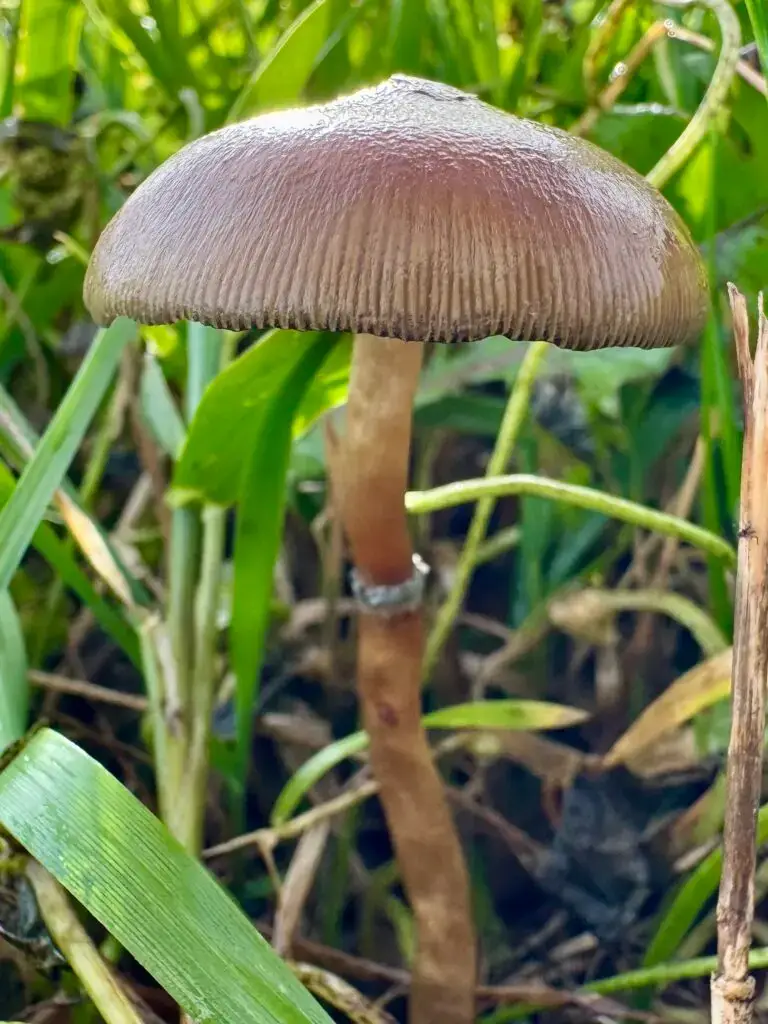
Among the many species studied within the Psilocybe genus, Psilocybe
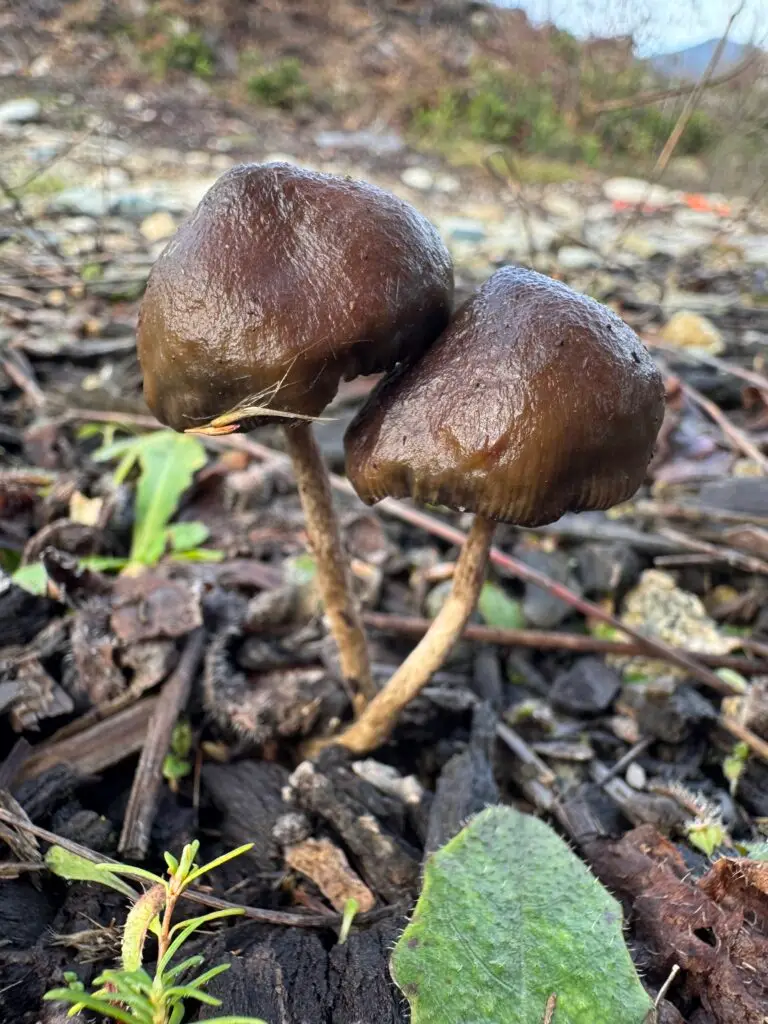
If you’re into mushroom microscopy, taxonomy, or the broader story