How Mushroom Genetics Work: Why Psilocybin Mushroom Strains Differ in Potency and Appearance
Psilocybin mushrooms have fascinated scientists, cultivators, and researchers for decades.

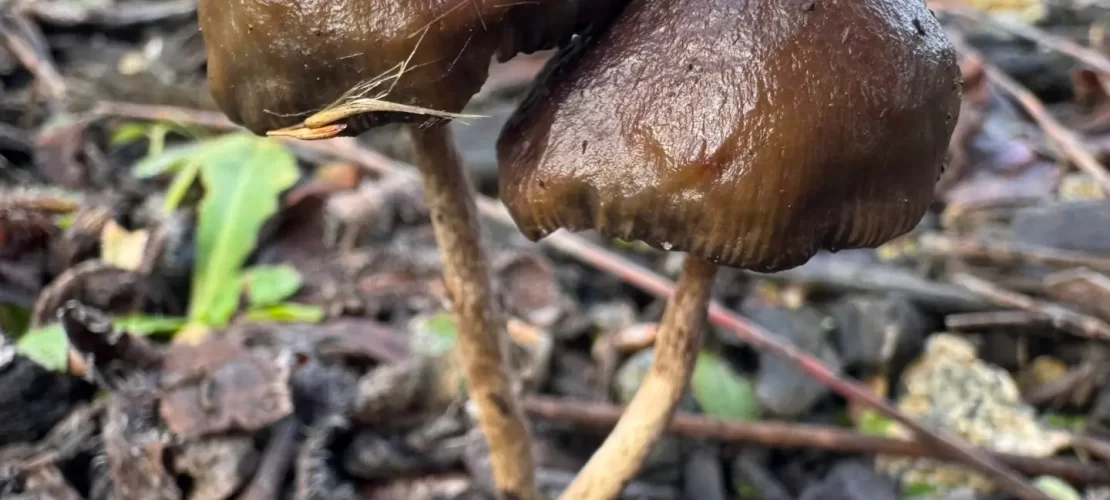
If you’re into mushroom microscopy, taxonomy, or the broader story of Psilocybe in North American mycology, Psilocybe baeocystis is one of those species that keeps showing up in field guides, herbarium records, and chemical literature. It’s frequently called bottle caps, knobby tops, blue bells, olive caps, and sometimes even “blue meanies” (a nickname that also gets used for other species, which can create confusion). Wikipedia
This post is designed for educational purposes—focused on identification history, ecology, and microscopy—and written with WooCommerce in mind so you can use it as a blog article that naturally leads readers to a spores-for-microscopy product page (without discussing cultivation).
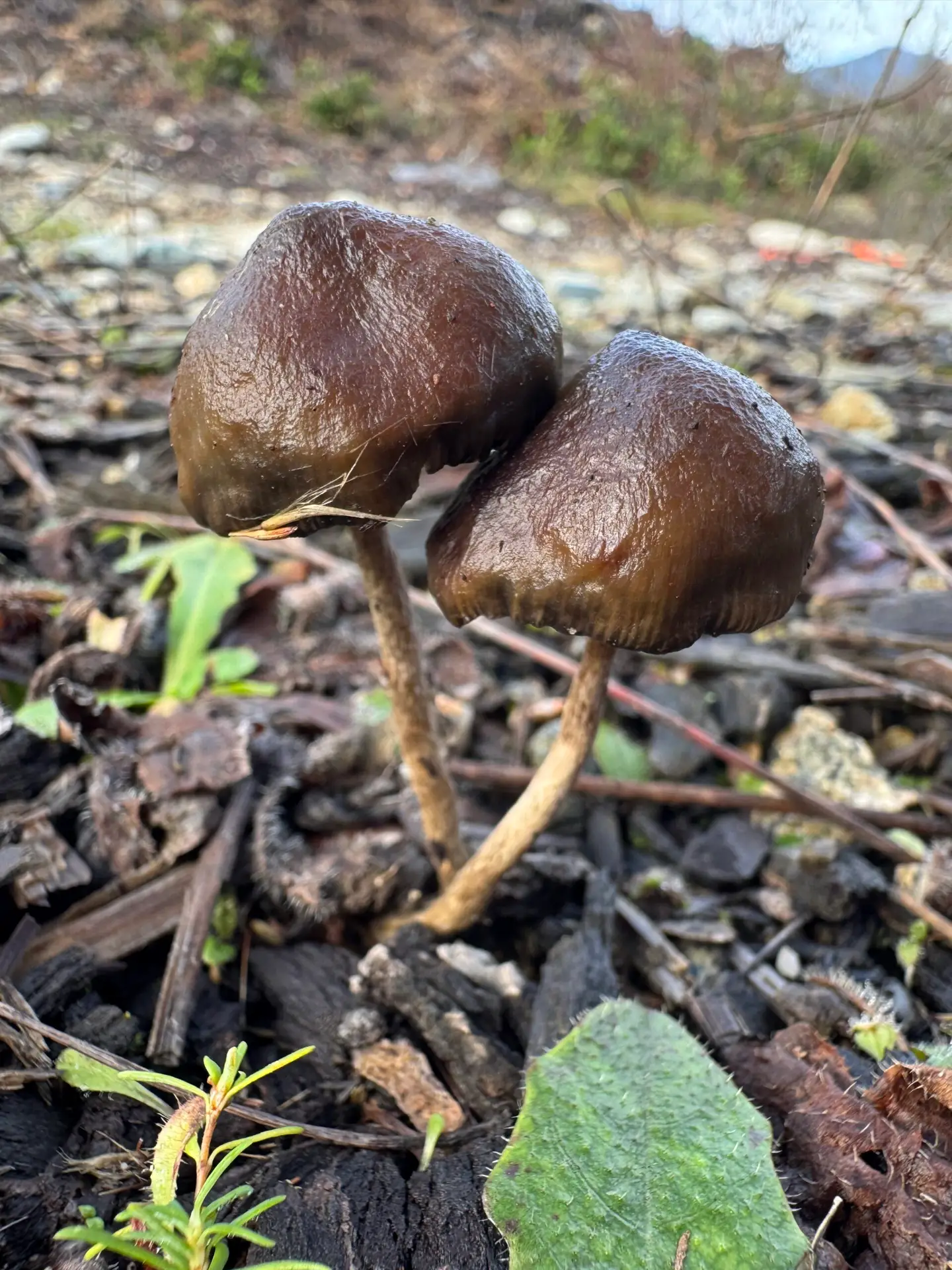
Psilocybe baeocystis is a gilled mushroom currently placed in the family Hymenogastraceae in modern taxonomic treatments. GBIF+1 Its formal scientific name is recorded as Psilocybe baeocystis Singer & A.H. Sm., published in Mycologia in 1958—a detail preserved in major nomenclatural databases used by researchers. mycobank.org+1
Even if you’ve never encountered the mushroom itself, its scientific footprint is substantial: it appears in biodiversity aggregators (useful for distribution context), in taxonomic registries, and in chemical research that helped shape how Psilocybe species were studied in the 20th century. GBIF+1
In mycology, where a name is recorded can be as important as the name itself. For Psilocybe baeocystis, MycoBank provides a stable reference point for the published name and citation details, which is especially helpful when you’re comparing older literature to modern classifications. mycobank.org
For sellers of mushroom spores (for microscopy), these references also matter because they:
If your customers are serious microscopy hobbyists, pointing them toward primary taxonomic resources can raise trust and keep expectations clear.
Shop Psilocybe baeocystis Mushroom Spores
Published accounts commonly associate P. baeocystis with wood-rich debris—including mulch-like environments—along with broader saprotrophic settings. Wikipedia Biodiversity platforms like GBIF compile occurrence-backed taxon information and provide a research-friendly hub for records tied to collections and datasets. GBIF
One of the reasons this species is frequently discussed in North American contexts is its repeated documentation in the Pacific Northwest and similar temperate habitats in the literature and observations. Wikipedia+1
Important note: this article isn’t a foraging guide, and it’s not intended to support collection in the wild. It’s a mycological overview, geared toward microscopy and taxonomy.
From a microscopy perspective, Psilocybe species are often studied through a blend of macroscopic descriptions and microscopic features—especially spore print color, spore dimensions, and cystidia characteristics. General genus-level descriptions highlight that many Psilocybe taxa produce spore prints that can range into dark purple-brown tones and have spores with a distinct germ pore—features often used in taxonomic work. Wikipedia
For Psilocybe baeocystis specifically, published summaries commonly describe:
This is exactly where mushroom spores become the star of the show: a well-prepared spore sample allows buyers to observe morphology directly—without needing any fruiting body material—and supports legitimate taxonomy and educational microscopy.
While today’s public attention often focuses on psilocybin broadly, older scientific work helped establish that different Psilocybe species contain different profiles and related compounds. A frequently cited early paper documented the occurrence of psilocin in Psilocybe baeocystis in the early 1960s. PubMed
Later scholarship and reviews have also cited additional work around psilocybin production and related chemical studies in this species’ research history. PMC
For a WooCommerce blog, the key takeaway is simple and safe:
Common names like “blue meanies” are widely reused across different mushrooms in popular culture, which is why scientific naming and sourcing matter. When you’re selling spores, especially to new microscopy hobbyists, it helps to:
MycoBank and Species Fungorum/Index Fungorum references are strong anchors for this kind of clarity. mycobank.org+1
At The Spore Depot, you’re offering Psilocybe baeocystis spores intended strictly for microscopy, taxonomy, and educational research—a product category many collectors prefer because it’s about observation and study.
Spores can be used for legitimate microscopy and taxonomy work, and that’s the purpose of this article. Laws vary widely by location, and readers are responsible for knowing and following local regulations. This blog post does not provide cultivation guidance or instructions.
Bitcoin & crypto accepted at checkout
If you’d like to go deeper, these are excellent starting points:
Are these “mushroom spores” or mushrooms?
They are spores only (for microscopy/research), not mushrooms.
Why do people buy spores?
For microscopic observation, taxonomy study, and educational reference work.
Psilocybin mushrooms have fascinated scientists, cultivators, and researchers for decades.
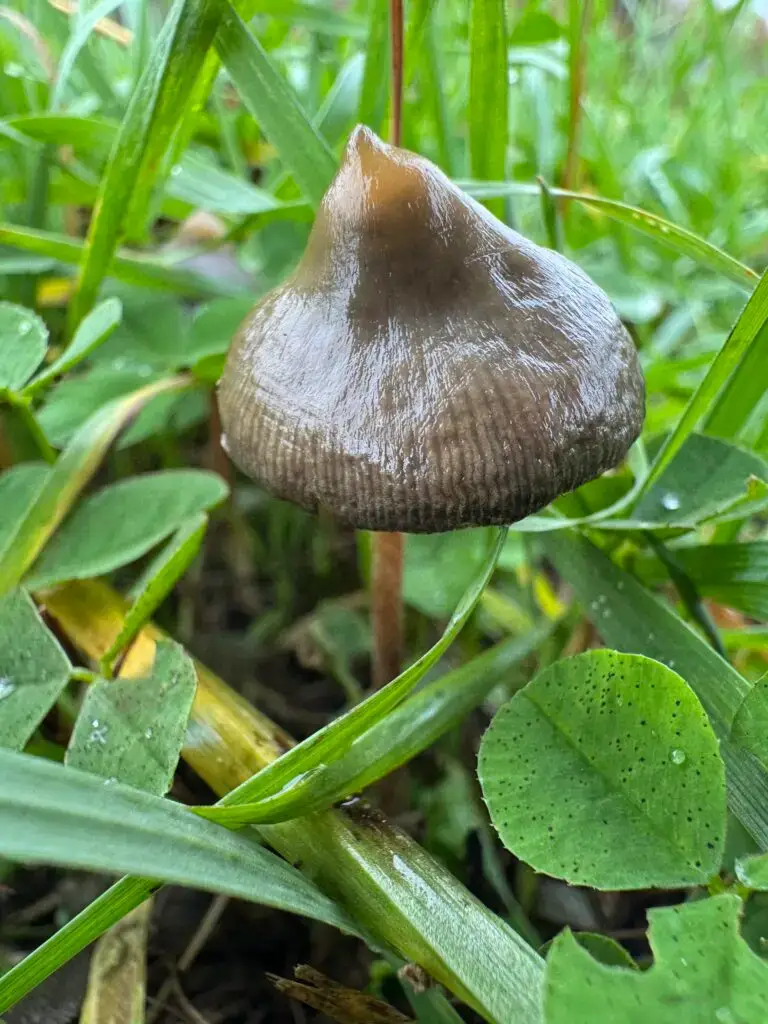
Among all species in the Psilocybe genus, Psilocybe semilanceata, commonly
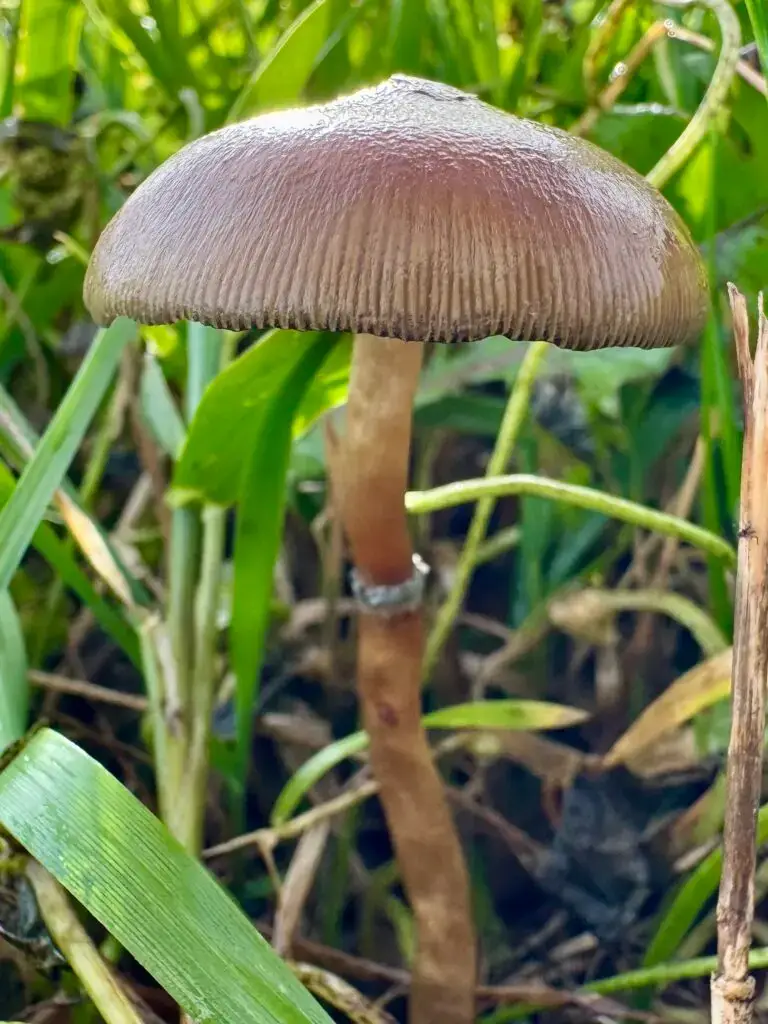
Among the many species studied within the Psilocybe genus, Psilocybe
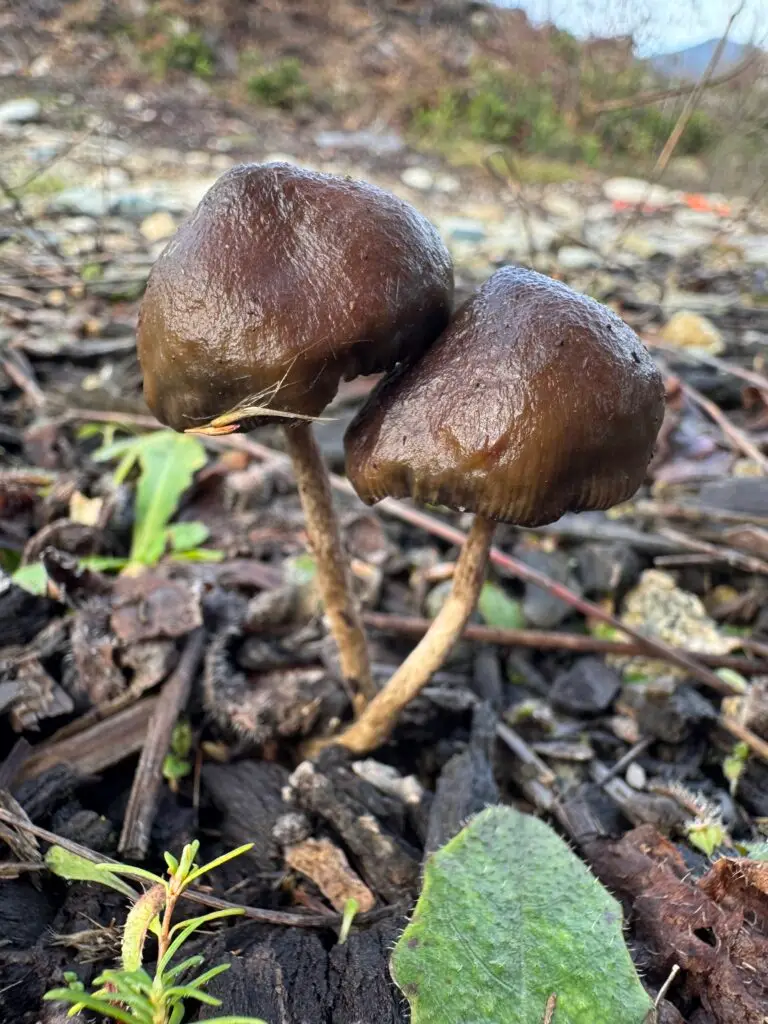
If you’re into mushroom microscopy, taxonomy, or the broader story