
How Mushroom Genetics Work: Why Psilocybin Mushroom Strains Differ in Potency and Appearance
Psilocybin mushrooms have fascinated scientists, cultivators, and researchers for decades.

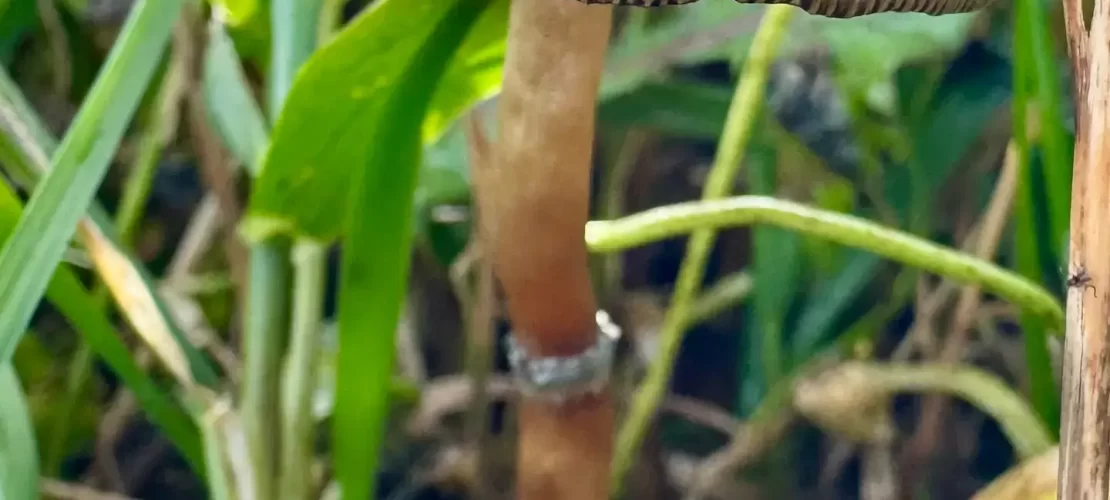
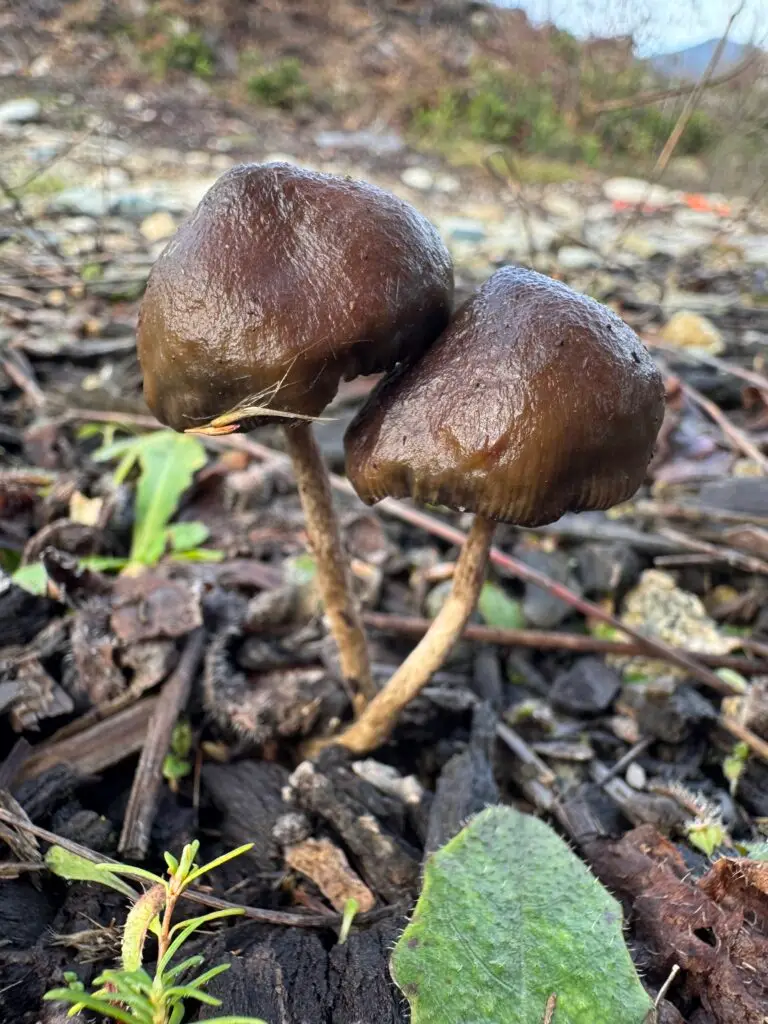
Among the many species studied within the Psilocybe genus, Psilocybe stuntzii holds a special place in North American mycology. Often referred to by its common names Stuntz’s blue legs and blue ringers, this species has been documented extensively in scientific literature and remains a frequent subject of interest for researchers, students, and microscopy enthusiasts alike.
Purchase Psilocybe stuntzii mushroom spores
This article explores Psilocybe stuntzii from a mycological perspective—covering its taxonomy, historical background, ecological associations, and microscopic features—while emphasizing the importance of mushroom spores in legitimate scientific study. This content is intended for educational and informational purposes only and aligns with microscopy-focused research.
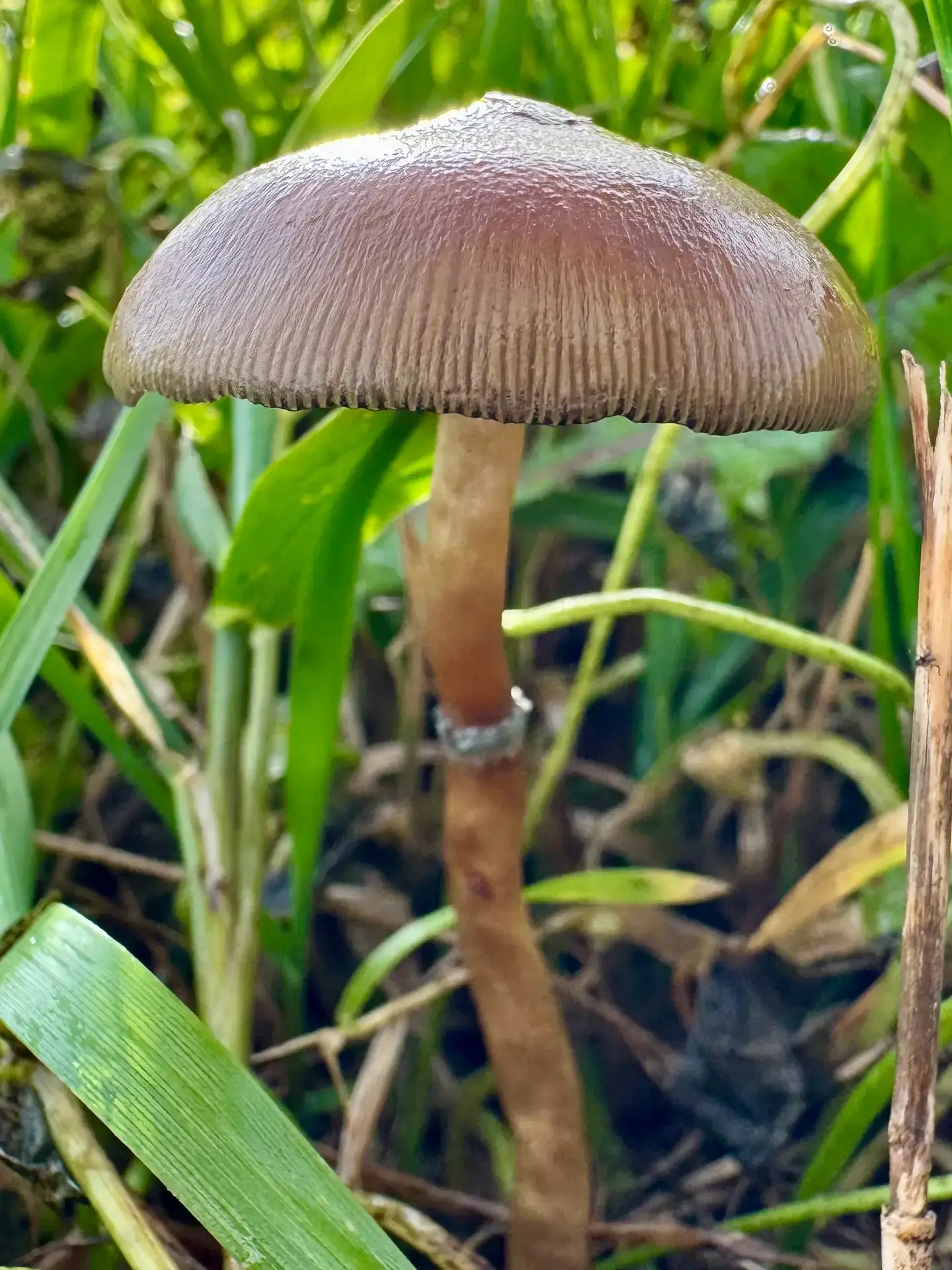
Psilocybe stuntzii is a species of mushroom classified within the family Hymenogastraceae, a family that includes many well-known genera studied in modern fungal taxonomy. The species was formally described by mycologists and has since been referenced in multiple academic works, herbarium collections, and taxonomic databases.
The scientific name honors mycologist Daniel Stuntz, whose contributions to fungal research—particularly in the Pacific Northwest—helped expand understanding of regional mushroom biodiversity. Naming conventions like this are common in mycology and reflect the historical lineage of fungal science.
Authoritative taxonomic records can be found through resources such as:
These databases are frequently used by researchers to confirm accepted names and classifications.
The placement of Psilocybe stuntzii within Hymenogastraceae reflects modern genetic and morphological research that reorganized older fungal families. Historically, many Psilocybe species were grouped differently, but molecular phylogenetics has refined their classification over time.
From a research standpoint, taxonomy is more than naming—it determines how species are compared, cataloged, and studied across institutions. For microscopy enthusiasts and students, working with clearly labeled Psilocybe stuntzii spores supports accurate identification and comparative analysis.
Understanding taxonomy also helps avoid confusion with similarly named or visually comparable species, especially when common names overlap across regions.
Psilocybe stuntzii is commonly known as:
These names originate from observable traits described in field literature and from regional usage rather than strict scientific definitions. As with many fungi, common names can vary significantly and are not always reliable for identification, which is why scientific nomenclature is preferred in academic and commercial contexts.
For anyone studying mushroom spores, using the correct scientific name ensures clarity and consistency when referencing slides, notes, or research materials.
Buy Psilocybe stuntzii spores here
Ecologically, Psilocybe stuntzii is described as saprotrophic, meaning it derives nutrients from decomposing organic matter. Published accounts often associate the species with wood-rich substrates, landscaped areas, and other environments where organic debris accumulates.
Distribution records compiled by biodiversity aggregators such as the Global Biodiversity Information Facility (GBIF) help researchers understand where species have been documented:
These datasets are especially valuable for academic study, as they consolidate museum specimens, research observations, and verified records without relying on anecdotal reporting.
It’s important to note that this article does not serve as a field guide or foraging manual. Its purpose is educational and focused on mycology, not collection.
For many mycologists, the most reliable way to study fungi is through microscopy, and Psilocybe stuntzii is no exception. While macroscopic features can vary due to environmental conditions, microscopic traits—particularly spores—offer consistent data points for comparison.
In genus-level descriptions of Psilocybe, spores are often noted for:
Studying Psilocybe stuntzii mushroom spores allows researchers and students to examine these characteristics firsthand. This makes spores a valuable educational tool for:
Because spores do not contain active compounds, they are commonly used in legal and academic settings for observational study.
Psilocybe stuntzii appears in multiple scientific discussions related to fungal biodiversity, taxonomy, and chemical research within the Psilocybe genus. Over the decades, studies involving various Psilocybe species have contributed to broader understanding of fungal chemistry, genetics, and ecological roles.
Academic databases such as PubMed (https://pubmed.ncbi.nlm.nih.gov) host peer-reviewed literature that references Psilocybe species in general, providing context for their place in scientific history.
For educational blogs and research-focused businesses, acknowledging this history adds depth and credibility without straying into inappropriate or instructional territory.
When it comes to fungal study, mushroom spores are one of the most accessible and informative materials available. Unlike whole specimens, spores:
For WooCommerce stores like The Spore Depot, offering clearly labeled Psilocybe stuntzii spores for microscopy aligns with legitimate scientific interest and educational demand.
Many buyers are:
Providing high-quality spores with proper descriptions helps meet these needs responsibly.
From an SEO and conversion standpoint, educational blog posts like this serve an important role:
Within WooCommerce, this blog can be internally linked to your Psilocybe stuntzii mushroom spores product page, guiding interested readers toward microscopy supplies without aggressive sales language.
If your store accepts Bitcoin and cryptocurrency payments, mentioning this in a sidebar or callout can further support buyer convenience and privacy.
All discussion in this article is provided for educational and informational purposes only. Laws regarding fungi and related materials vary by jurisdiction, and readers are responsible for understanding and complying with applicable regulations.
Spore products sold by microscopy-focused vendors are intended for research, taxonomy, and educational study, and this article does not provide cultivation or usage instructions of any kind.
Psilocybe stuntzii remains an important species within North American mycology, valued for its role in taxonomic study, historical research, and microscopic observation. For those interested in fungal science, examining Psilocybe stuntzii mushroom spores offers a practical way to engage with this species in a legitimate and educational manner.
By pairing well-researched blog content with responsibly marketed products, stores like The Spore Depot can support curiosity, learning, and scientific exploration—one slide at a time.
Psilocybin mushrooms have fascinated scientists, cultivators, and researchers for decades.
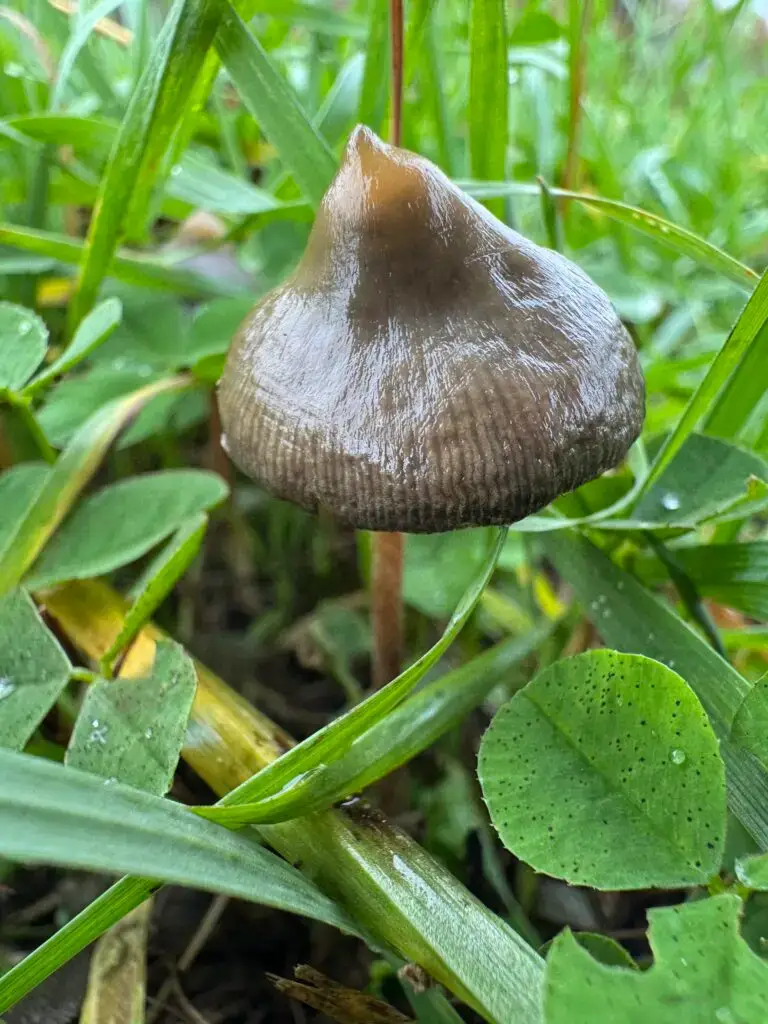
Among all species in the Psilocybe genus, Psilocybe semilanceata, commonly
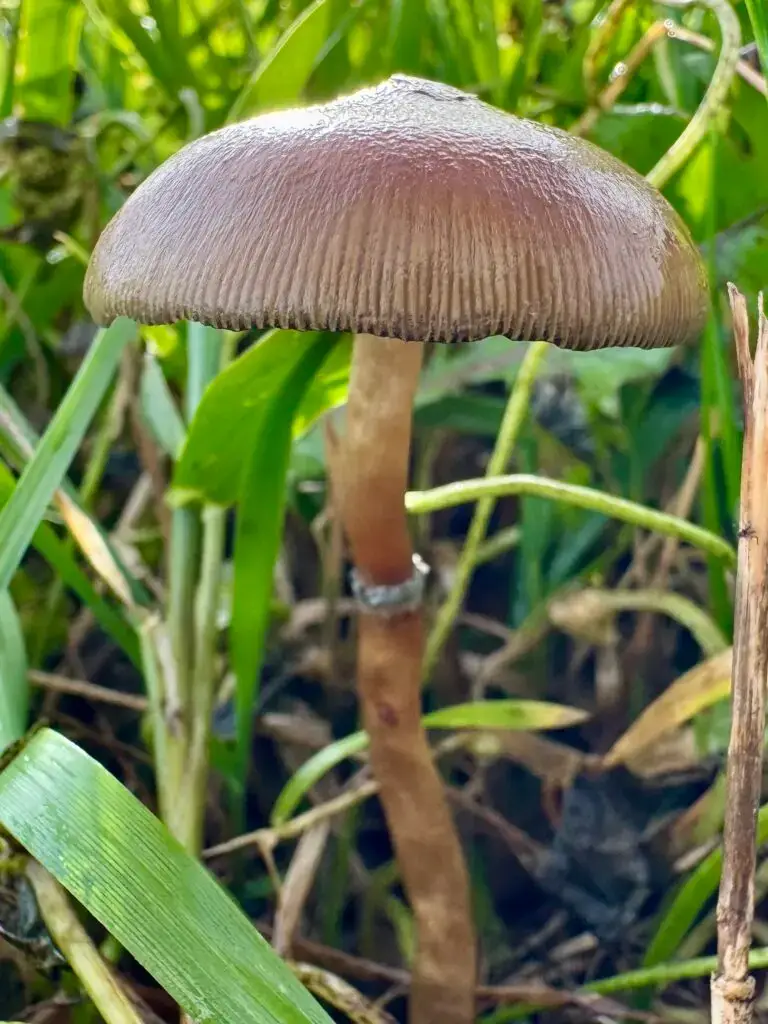
Among the many species studied within the Psilocybe genus, Psilocybe
If you’re into mushroom microscopy, taxonomy, or the broader story