
How Mushroom Genetics Work: Why Psilocybin Mushroom Strains Differ in Potency and Appearance
Psilocybin mushrooms have fascinated scientists, cultivators, and researchers for decades.

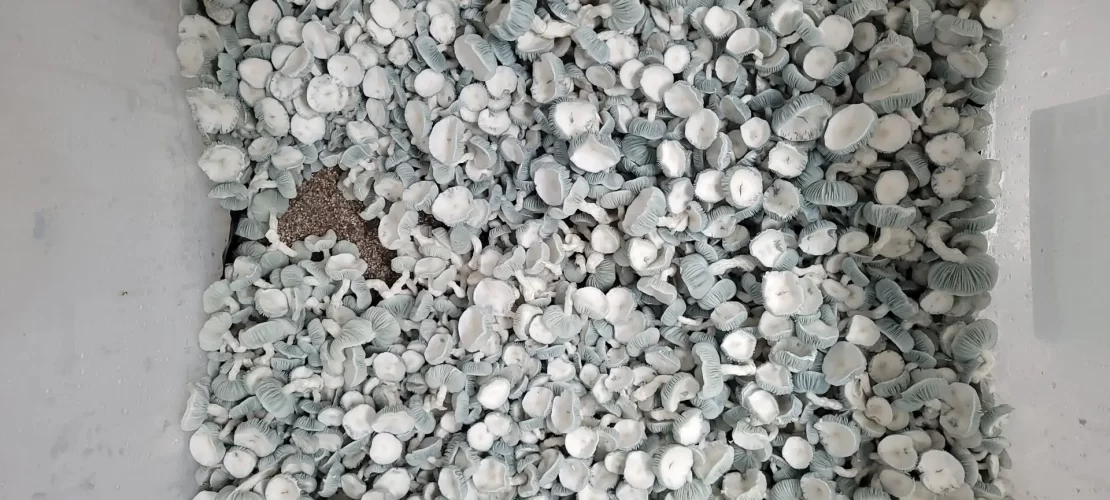
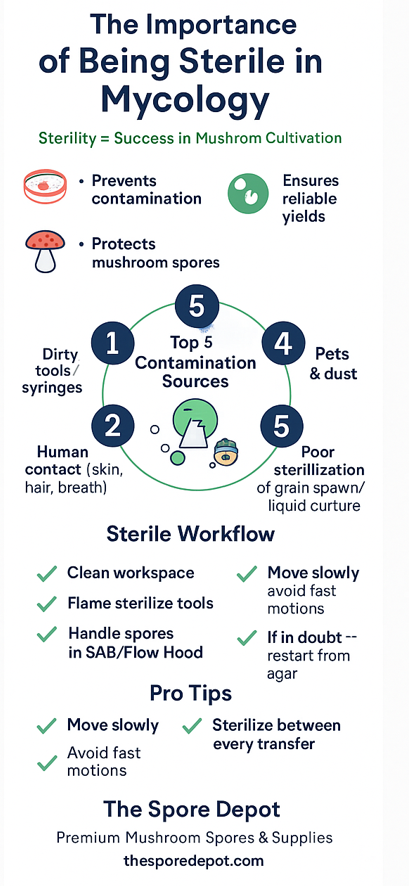
The importance of being sterile in mycology cannot be overstated. Whether you’re working with mushroom spores, inoculating grain spawn, or expanding liquid culture, sterile technique is the difference between success and failure.
Sterility ensures that mushroom mycelium gets a clean start without competition from bacteria, mold, or yeast. In this guide, we’ll explore why sterile practices are essential, common sources of contamination, the right tools for sterile work, and practical steps every cultivator should follow.
When handling mushroom cultivation, sterility is not optional—it’s the foundation. “✅ Download our free Sterile Mycology Checklist PDF to keep your cultivation clean and contamination-free.”
According to the American Society for Microbiology, sterile technique is central to all microbiological sciences. This principle applies directly to the importance of being sterile in mycology.
Even the most careful grower encounters contamination threats. Understanding them reinforces the importance of being sterile in mycology:
Molds and bacteria constantly float in the air, ready to colonize your substrate before mushroom mycelium can.
Unsterilized scalpels, jars, or syringes carry hidden microbes. Every tool must be sterilized before use.
Hair, skin, and breath are contamination hazards. Gloves, masks, and controlled movements reduce risks.
Creating a controlled environment demonstrates the importance of being sterile in mycology practice:
Affordable and effective for beginners, a SAB reduces airflow, minimizing contaminants when working with spore syringes and agar supplies.
Professional cultivators use laminar flow hoods, which push sterile HEPA-filtered air across the workspace. This is essential for advanced work like liquid culture inoculation or repeated agar transfers.
Reference: Cornell University Mushroom Blog emphasizes sterile airflow as critical in mycology.
To succeed in mushroom cultivation, you must combine the right tools with careful sterile methods:
For beginners, a mycology starter kit can help ensure you have the proper sterile tools from the start.
Agar plates are central to sterile mycology work. They act as contamination checkpoints:
Reference: Mycological Society of America highlights agar work as the basis of contamination-free fungal cultivation.
Grain spawn is highly nutritious—great for mushrooms, but also for bacteria and mold. The importance of being sterile in mycology grain preparation can’t be ignored.
See our grain spawn options to begin with clean, sterile materials.
Liquid culture allows rapid expansion of mycelium but is prone to invisible bacterial contamination.
Reference: NCBI provides contamination control studies directly relevant to liquid culture practices.
? Try our 10-Pack Gourmet Mushroom Liquid Cultures for clean, ready-to-use research options.
Following the importance of being sterile in mycology brings lasting rewards:
The importance of being sterile in mycology is the foundation of successful mushroom cultivation. From spore syringes and agar plates to grain spawn and liquid culture, sterility ensures healthy growth and reliable results.
By committing to sterile practices, you safeguard your projects and respect the scientific principles behind successful mycology research and cultivation.
For further reading, explore:
Because bacteria, molds, and yeast thrive in mushroom substrates. Sterile technique prevents contamination, ensuring higher yields and reliable results.
A SAB is cost-effective and great for beginners. A laminar flow hood provides HEPA-filtered air, offering near-perfect sterility—ideal for advanced work.
Flame the needle until red-hot, let it cool briefly, and always work inside a SAB or laminar flow hood.
Sterilize hydrated grains at 15 PSI for 90–120 minutes. Longer times may be needed for larger jars or bulk loads.
Psilocybin mushrooms have fascinated scientists, cultivators, and researchers for decades.
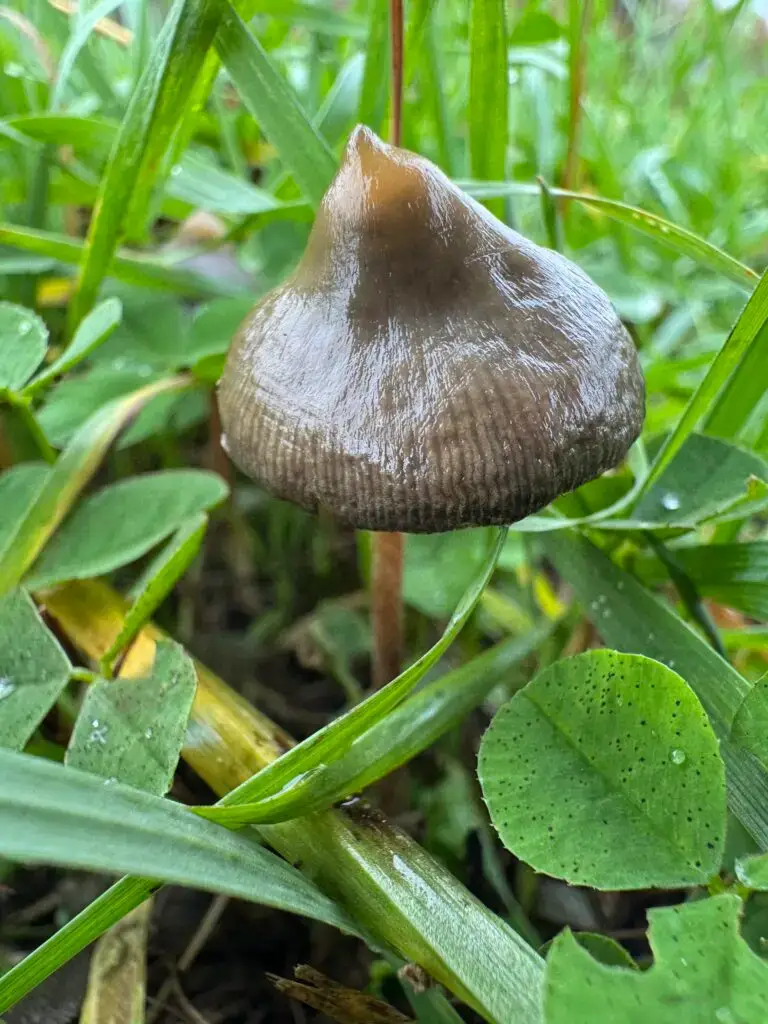
Among all species in the Psilocybe genus, Psilocybe semilanceata, commonly
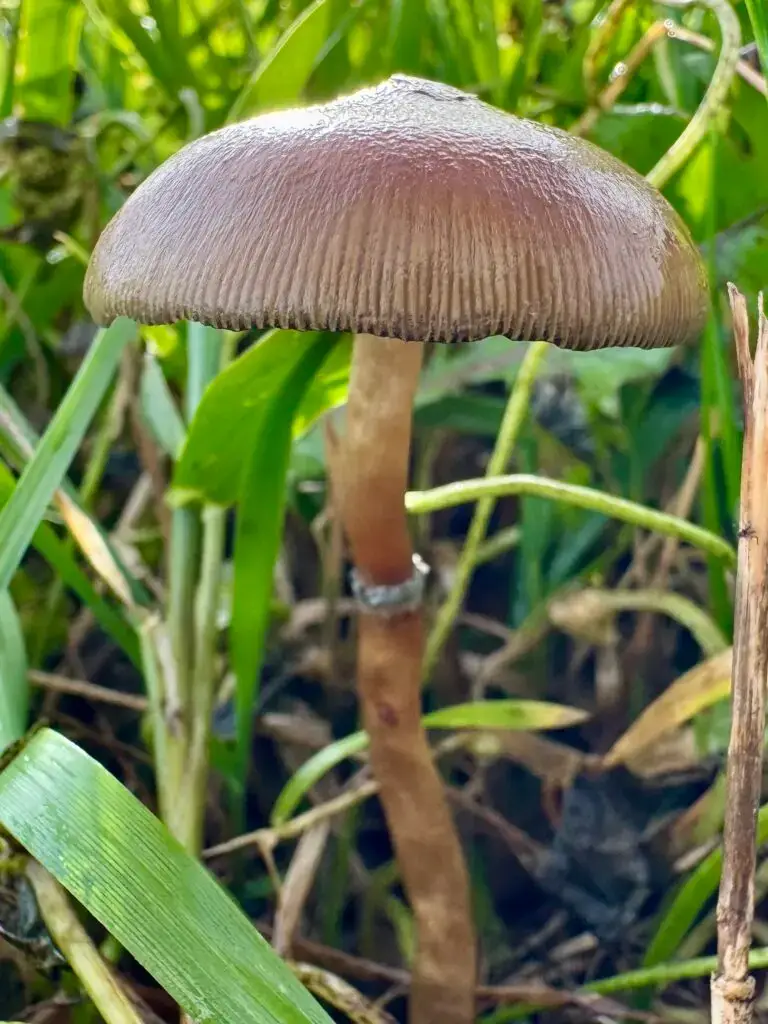
Among the many species studied within the Psilocybe genus, Psilocybe
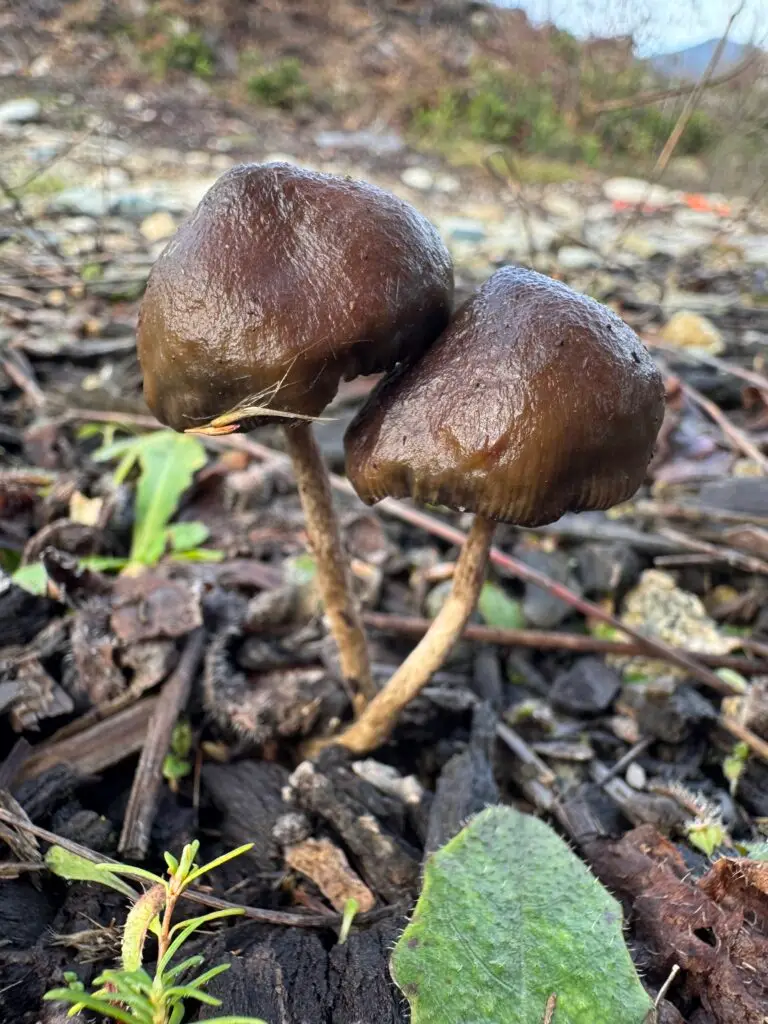
If you’re into mushroom microscopy, taxonomy, or the broader story